
Part 2: Build Generators

Updated: Feb 10
This is a three-part series on leadership development. Leadership development is intentional.
PART 2:
From Batteries to Generators: The Leadership Mindset Shift
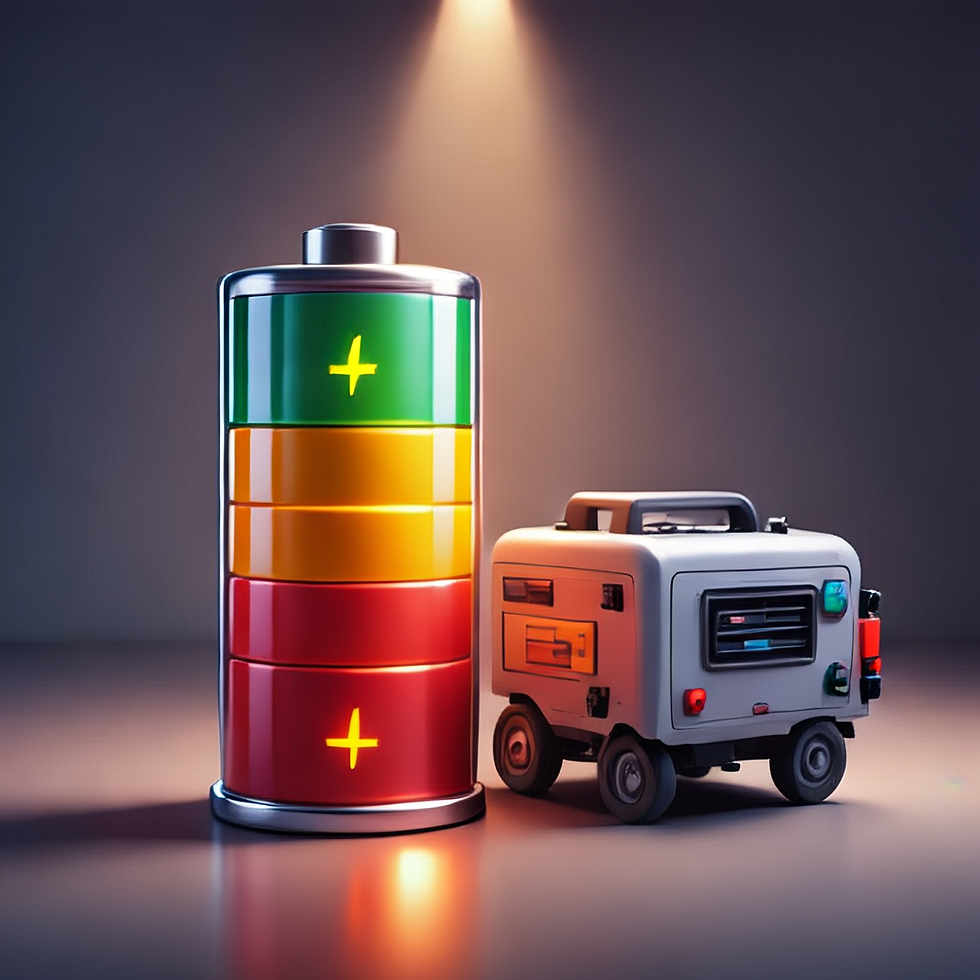
The move from batteries to generators does not start with a programme.
It starts with a mindset shift.
Battery thinking asks:
- Who can fix this quickly?
- What training can we deploy now?
Generator thinking asks:
- What leadership capability must exist regardless of who comes and goes?
- How do leaders create energy rather than consume it?
Leadership as an energy source
Consider Unilever. For years, Unilever has treated leadership development as a core business capability rather than an HR activity. Leaders are expected to develop other leaders, and development is embedded into roles through stretch assignments, rotations, and reflective practice.
This mindset shows up clearly in how leaders are assessed. Performance is important — but so is how leaders build teams, grow successors, and sustain culture.
This aligns closely with what McKinsey & Company identifies as critical 21st-century leadership attributes: positive energy, service, continuous learning, and stewardship.
These qualities cannot be installed quickly.
They are grown deliberately.
From heroic leaders to multiplying leaders
A generator mindset replaces heroism with multiplication.
DBS Bank offers a powerful example. They have invested heavily in shaping leaders who could learn, adapt, and empower teams — not just deliver numbers. Leadership development was tied directly to strategic transformation, with senior leaders role-modelling learning agility and humility.
As a result, leadership energy did not sit at the top. It flowed throughout the organisation.
This is what generators do:
1. They normalise learning
2. They reward coaching
3. They treat leadership development as everyday work
The organisation stops asking for more energy — because energy is being created daily.

Comments