
Part 3: Build the Leadership Factory

This is a three-part series on leadership development. Leadership development is intentional.
Build the Leadership Factory: Creating Talent in Perpetuity

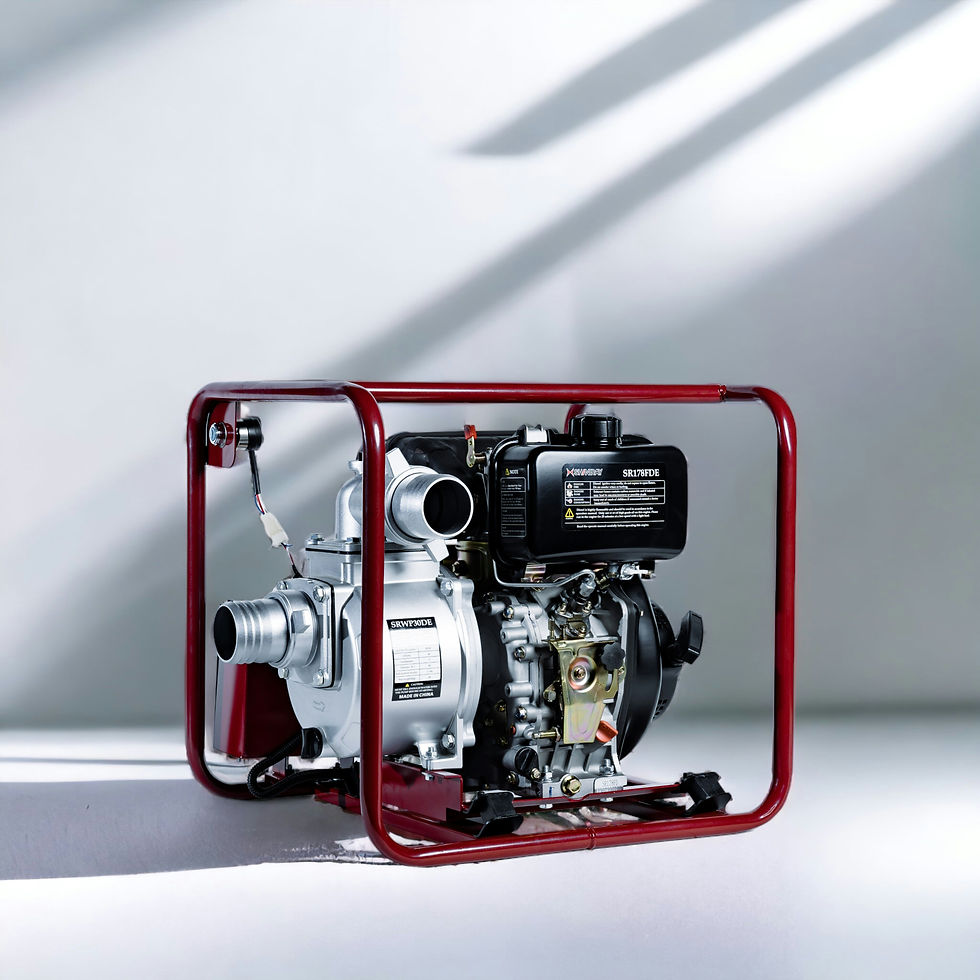
A generator does not appear by chance.
It is built.
We call this a Leadership Factory — not because it is mechanical, but because it is reliable, repeatable, and human.
Leadership factories treat leadership development as a system, not a series of events.
What leadership factories look like in practice
Schneider Electric is often cited for its depth of leadership bench. The company invests heavily in developing leaders at multiple levels, with clear leadership expectations, internal mobility, and strong succession pipelines.
What stands out is not the sophistication of individual programmes — but the consistency of the system. Leaders are expected to grow leaders. Talent conversations are continuous, not annual. Development is embedded in business rhythm.
Similarly, McKinsey & Company itself operates as a leadership factory. The firm grows leaders through apprenticeship, constant feedback, stretch roles, and senior leader sponsorship. Leadership development is inseparable from daily work.
The three disciplines revisited
Leadership factories are anchored in three disciplines:
1. Leaders as multipliers
Success is measured by the leaders left behind, not just the results delivered.
2. Development in the flow of work
Learning happens through real challenges, reflection, and responsibility.
3. Systems that reinforce growth
Performance, promotion, and recognition reward those who develop others.
The CEO as Chief Talent Officer
One common thread across strong leadership factories is senior ownership.
In these organisations, CEOs and top teams do not delegate leadership development away. They model it. They sponsor it. They hold leaders accountable for it.
The result is not speed — but stability, adaptability, and endurance.
When leaders leave, capability stays.
When markets shift, people respond.
When growth accelerates, the system holds.
This is how organisations stop chasing talent and start creating it in perpetuity.
Trust the process.
Build the factory.
Let the generator run.

Comments